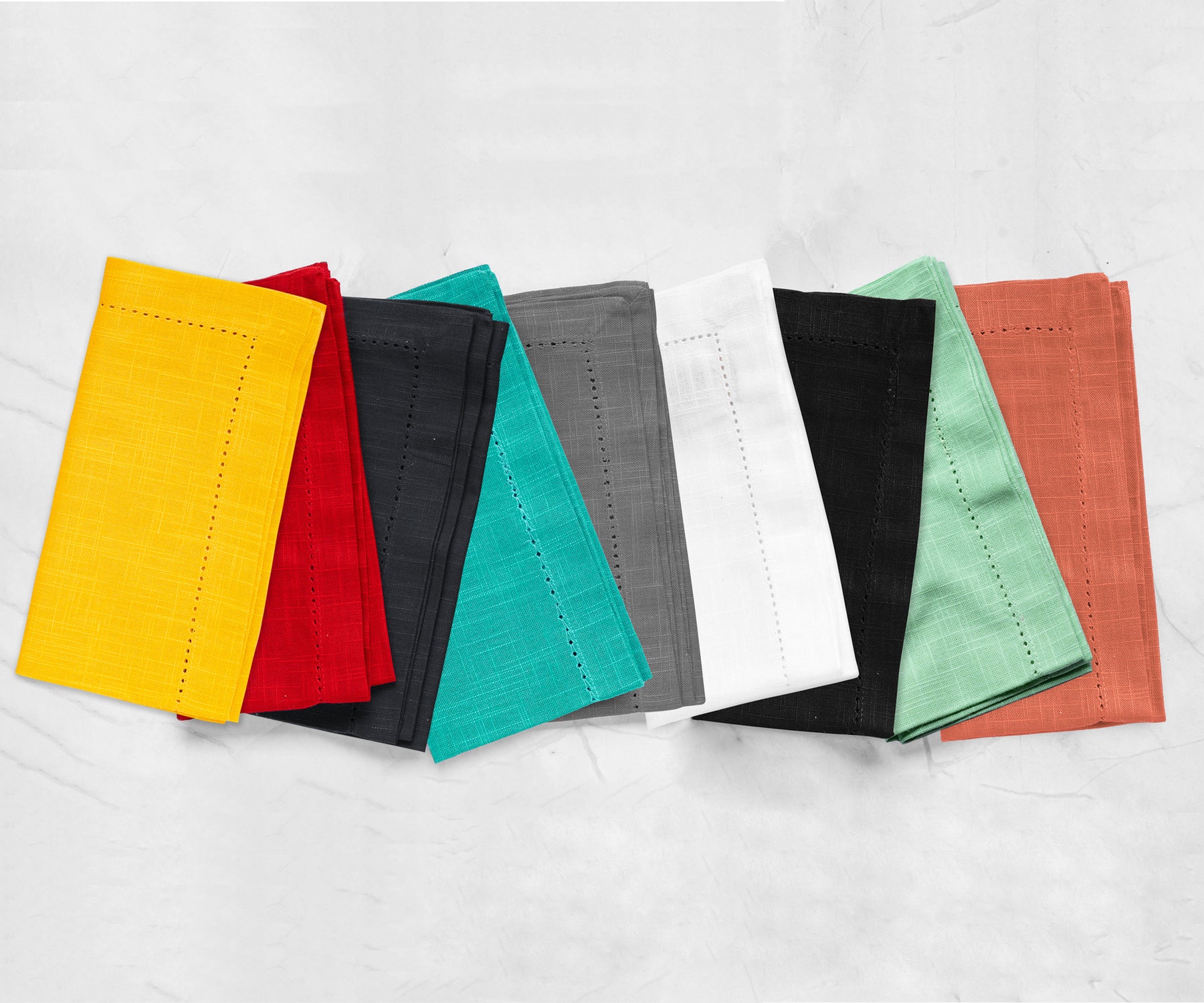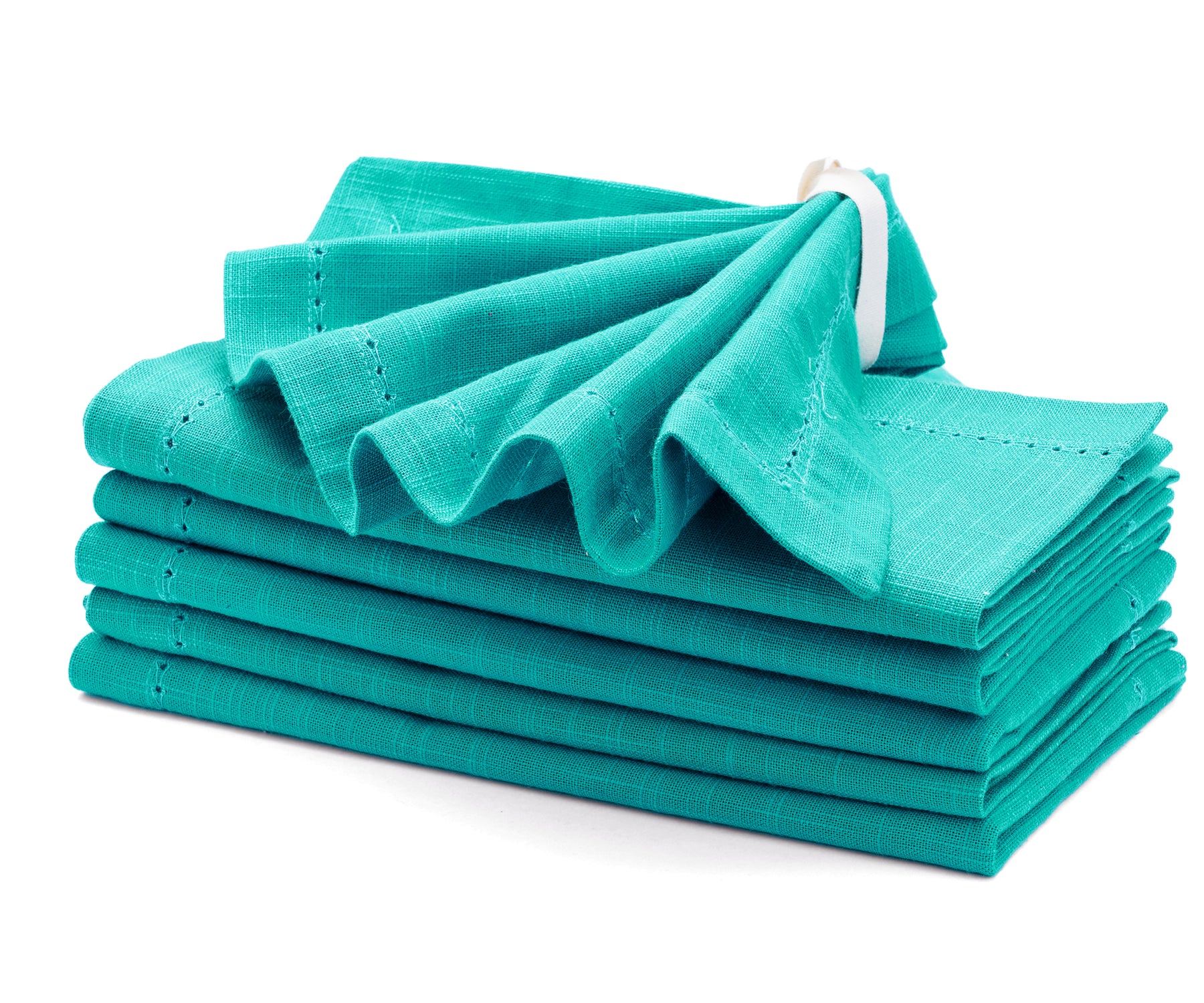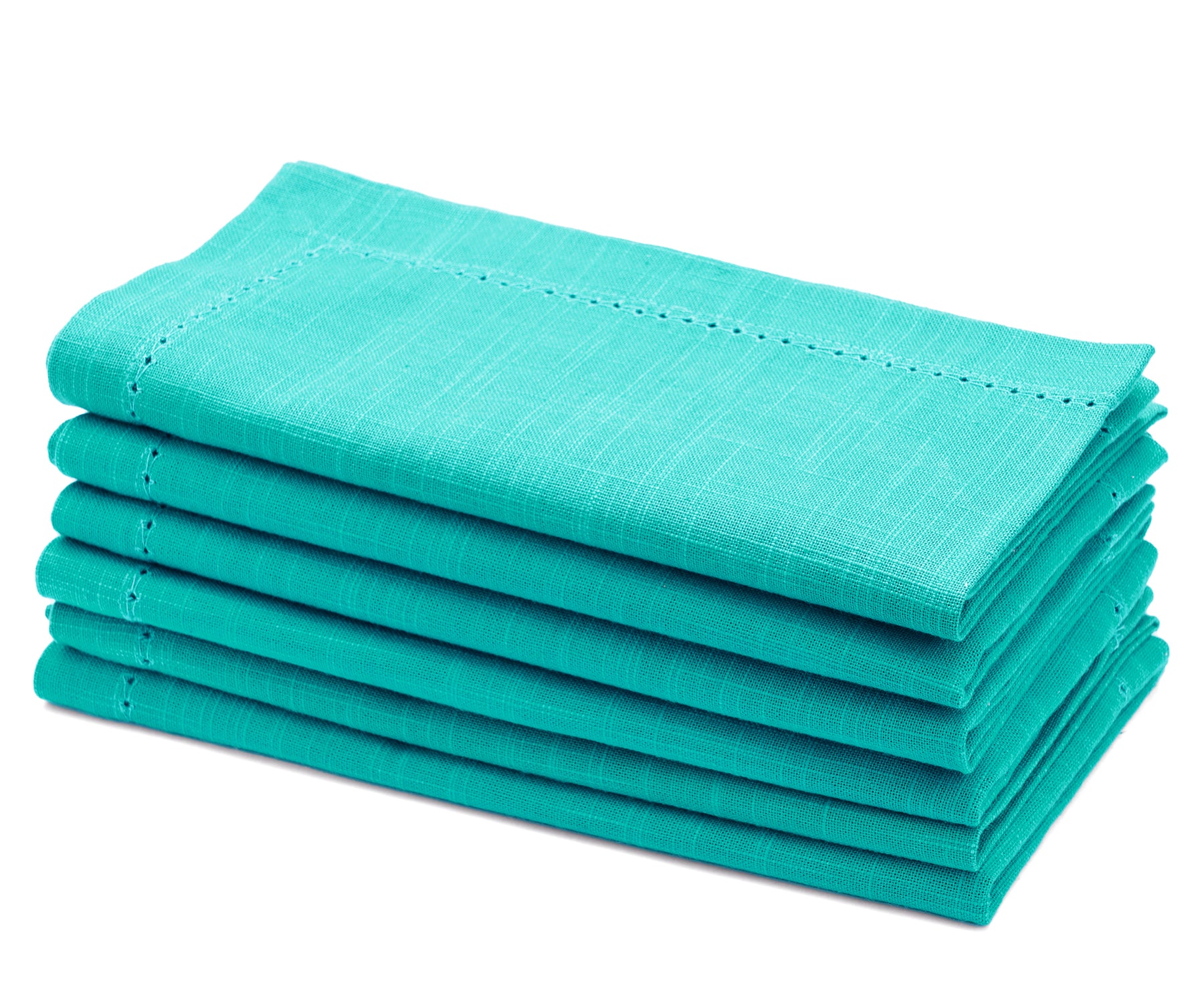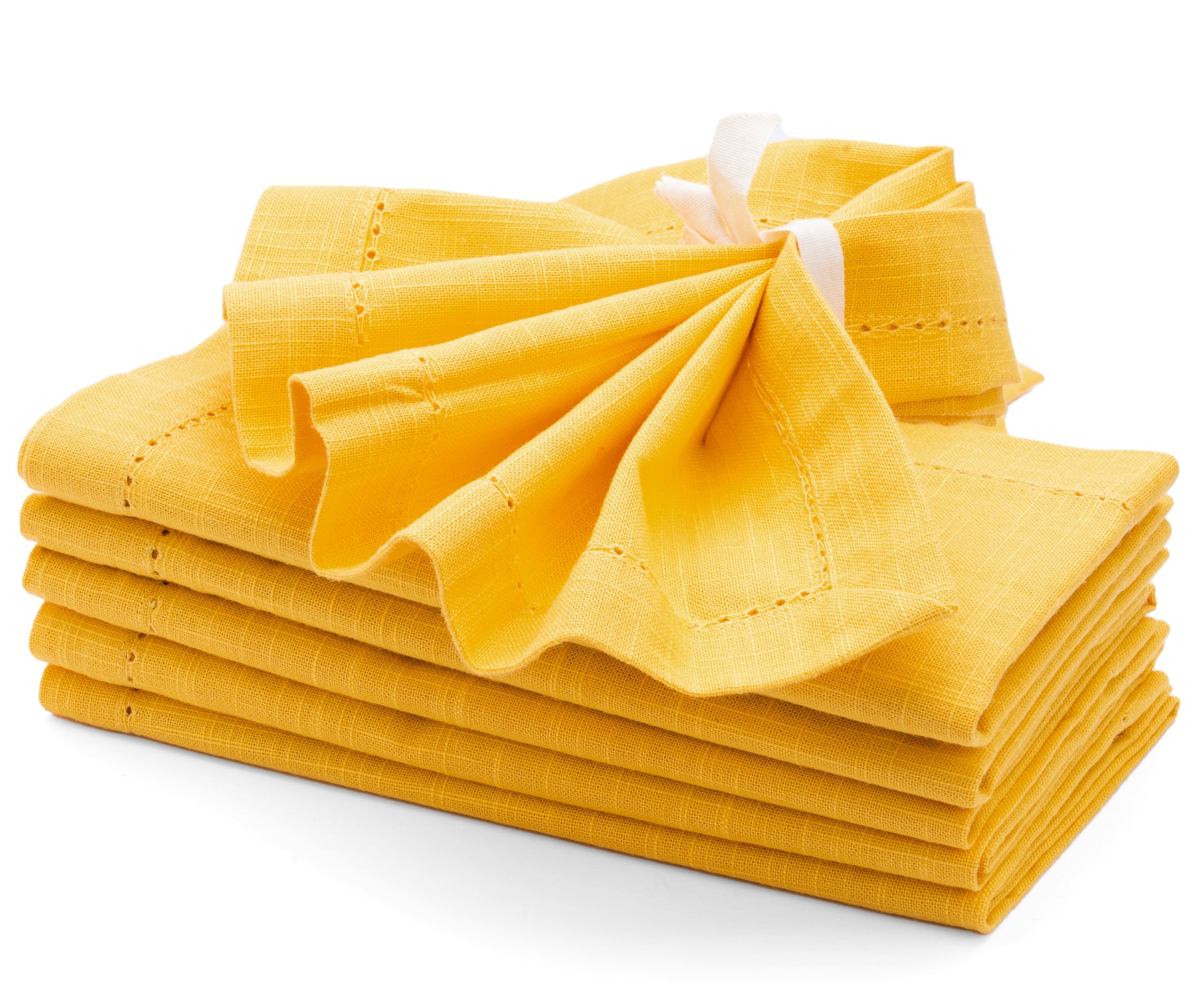


Color is the first thing your guests notice when they walk into a room or sit down at a table. Before the food arrives, before the conversation starts, before any other detail registers, color sets the mood. It determines whether the table feels formal or relaxed, festive or understated, bold or quietly elegant.
And yet most people choose table linen colors the same way they choose paint colors by instinct, by elimination, or by safe repetition of what has worked before. There is nothing wrong with that approach, but there is a better one. And it starts with understanding one of the most fundamental and most useful concepts in color theory: complementary colors.
Once you understand what complementary colors are and how they work, the way you look at a color wheel changes permanently. You stop guessing and start choosing with confidence. The combinations that work stop feeling like luck and start feeling like logic.
This guide covers everything: the color wheel, complementary pairs, how they behave in real settings, and exactly how to apply them to your tablecloth, napkins, runners, and home styling.
The color wheel where it all begins
To understand complementary colors, you first need to understand the color wheel. The concept is not new. Sir Isaac Newton developed the first circular diagram of colors in 1666 after passing white light through a prism and observing how it separated into a visible spectrum. That original experiment laid the foundation for every color theory framework that followed.
A standard color wheel organizes 12 colors in a circular arrangement, moving through the spectrum in a logical, continuous progression. Those 12 colors fall into three categories:
Primary colors are the foundational hues from which all other colors are mixed. In traditional pigment-based color theory, the one most relevant to fabrics, dyes, and home styling, the primary colors are red, yellow, and blue. They cannot be created by mixing other colors.
Secondary colors are produced by mixing two primary colors in equal parts. Red and yellow produce orange. Yellow and blue produce green. Blue and red produce purple. The three secondary colors, orange, green, and purple, sit between their parent primary colors on the wheel.

Tertiary colors are created by mixing a primary color with the secondary color adjacent to it. This produces six additional hues: red-orange, yellow-orange, yellow-green, blue-green, blue-purple, and red-purple. These fill the remaining spaces on the 12-part color wheel, completing the full spectrum.
The value of the color wheel is that it makes color relationships visible. Rather than relying on intuition, you can see exactly which colors are close to each other, which are far apart, and which sit in direct opposition, and that opposition is where complementary colors live.
What are complementary colors?
Complementary colors are any two colors that sit directly opposite each other on the color wheel, separated by exactly 180 degrees.
The three primary complementary pairs are:
-
Red and green
-
Blue and orange
-
Yellow and purple
Each pair contains one warm color and one cool color, which is part of what gives complementary combinations their energy. Warm and cool tones naturally push against each other visually; each one makes the other appear more saturated, more vivid, more itself. When you place a deep navy (cool) beside a warm amber (warm), each color intensifies the other in a way that neither would achieve on its own.
This is the defining characteristic of complementary colors: they do not blend, they contrast. And that contrast, used thoughtfully, is what makes a table or a room feel visually alive.
Why complementary colors work: the science behind the contrast
The reason complementary colors enhance each other is rooted in the way the human eye processes color. Each color receptor in the eye sensitive to red, green, or blue wavelengths of light becomes slightly fatigued when it processes one color for an extended period. When you then look at the complementary color, those fatigued receptors rest while the others activate, making the complementary color appear more intense and saturated than it would in isolation.
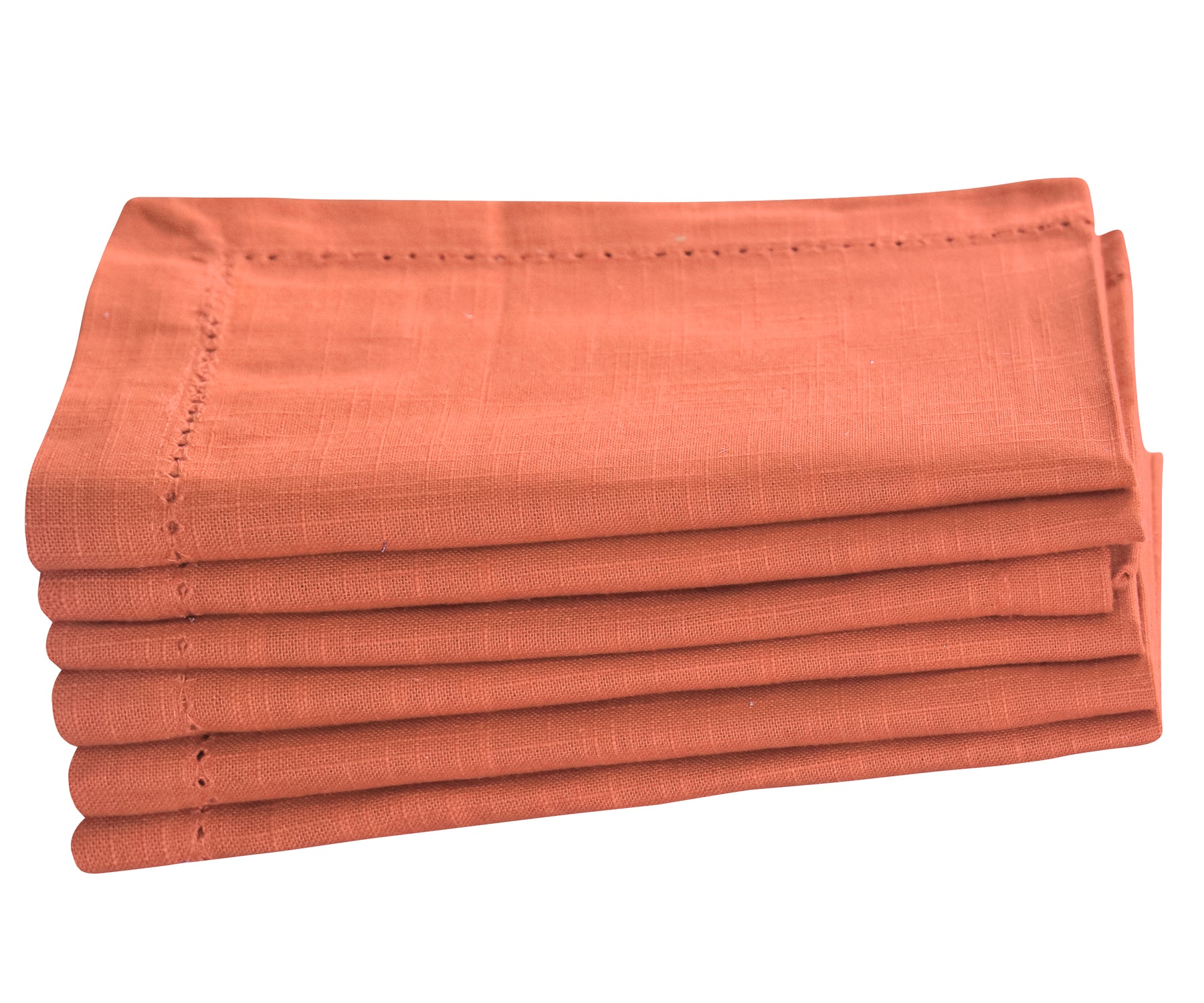
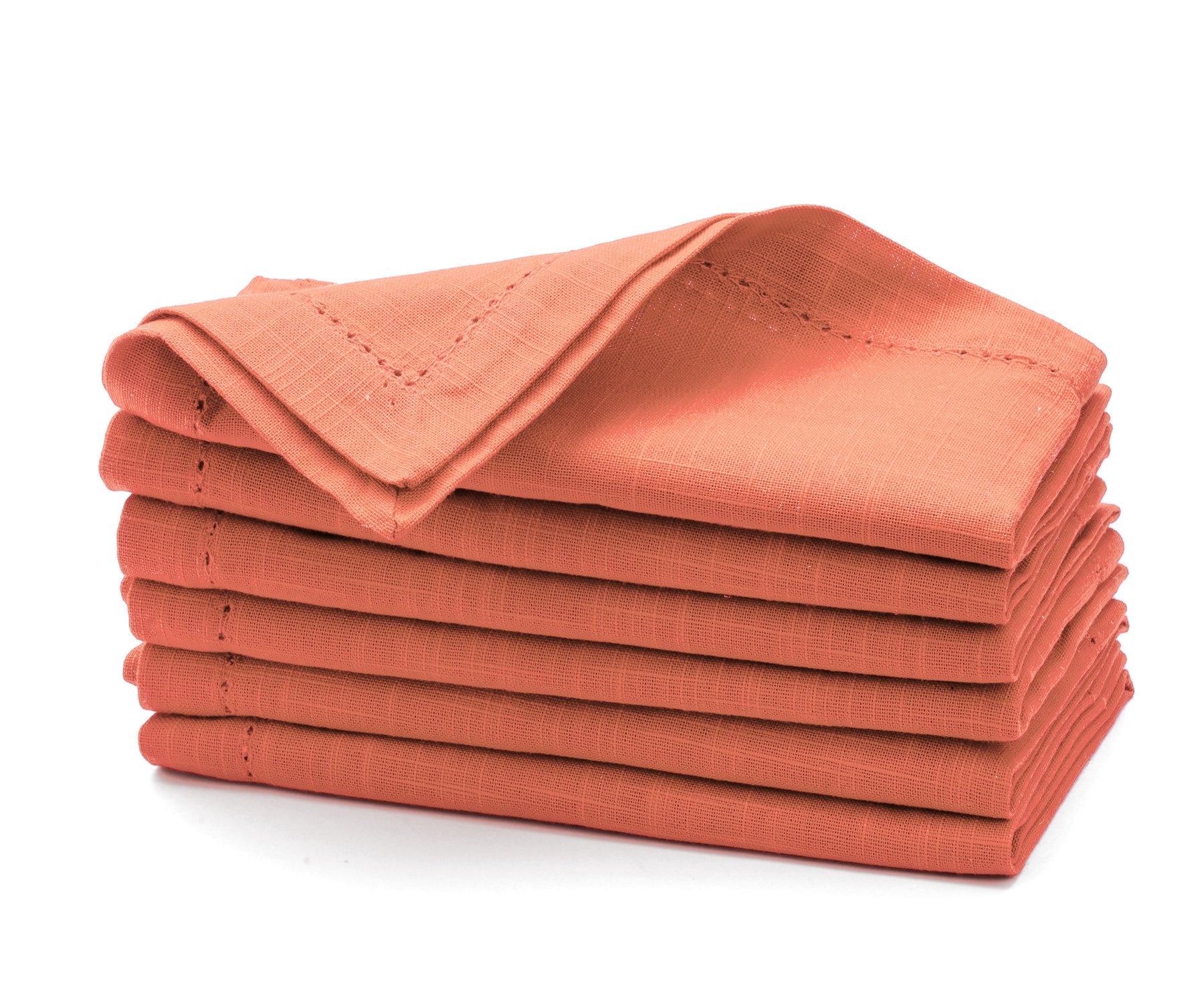
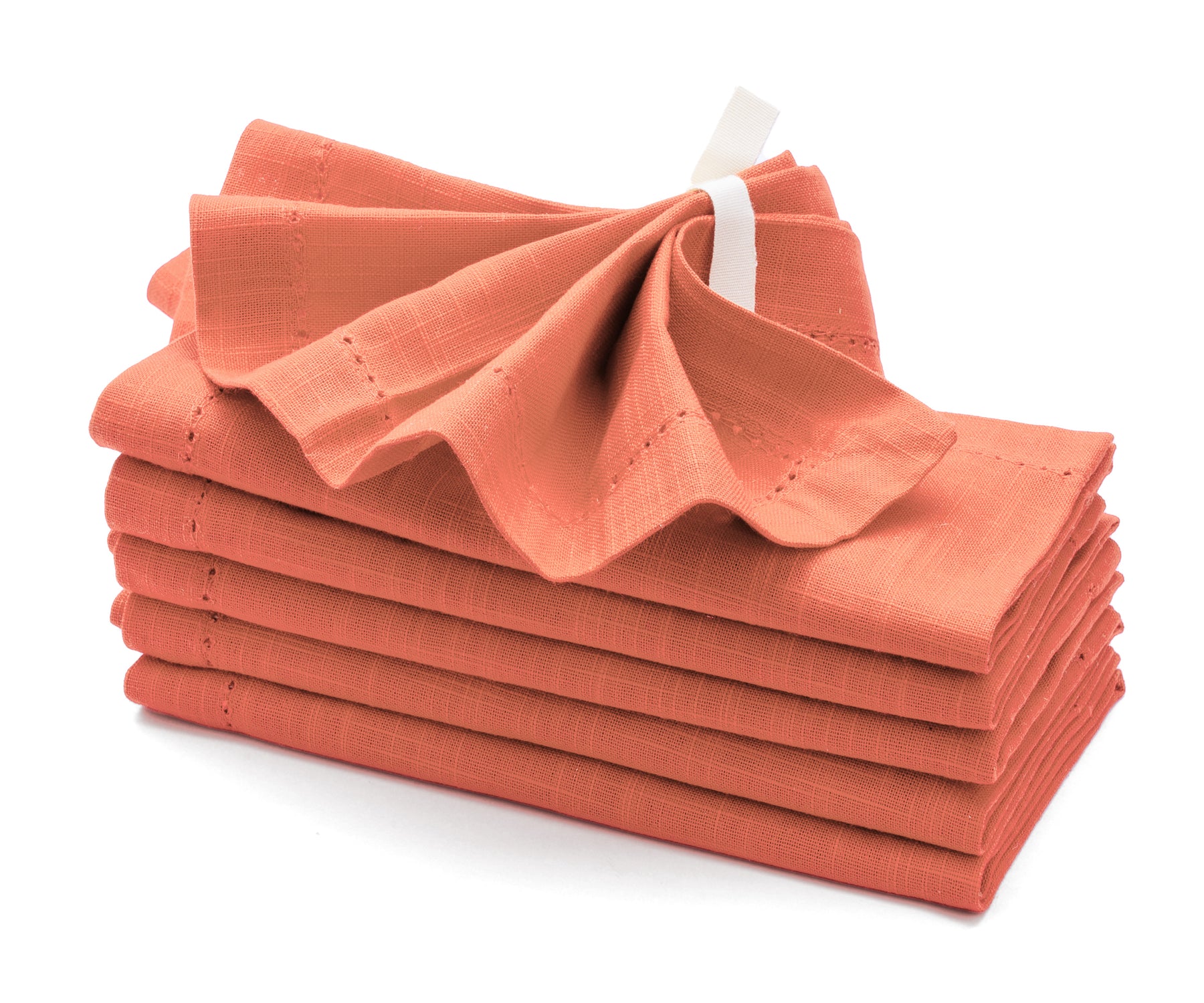
This is the same principle behind optical illusions, where a color appears to change depending on what surrounds it. Context changes perception. A terracotta napkin on a white tablecloth looks warm and earthy. The same napkin on a deep teal tablecloth looks brighter, more vivid, because the cool teal activates the perception of the warm orange tones in the terracotta.
Understanding this gives you real creative control. You are not just choosing colors that look nice together; you are choosing colors that actively enhance each other.
Know About: Get the Smoothest Nut Milk with the Organic Muslin Produce Bag
Complementary colors in practice beyond the primaries
While the three primary complementary pairs are the starting point, the color wheel contains complementary relationships across the full spectrum of hues, tints, shades, and tones. In real-world home and table styling, you are rarely working with pure saturated primary colors; you are working with dusty blues, warm terracottas, muted sages, and deep navys. Understanding how complementary relationships work across these more nuanced tones is where color theory becomes genuinely useful.
Here are the most relevant complementary relationships for home and table linen styling:
Navy and amber / warm gold
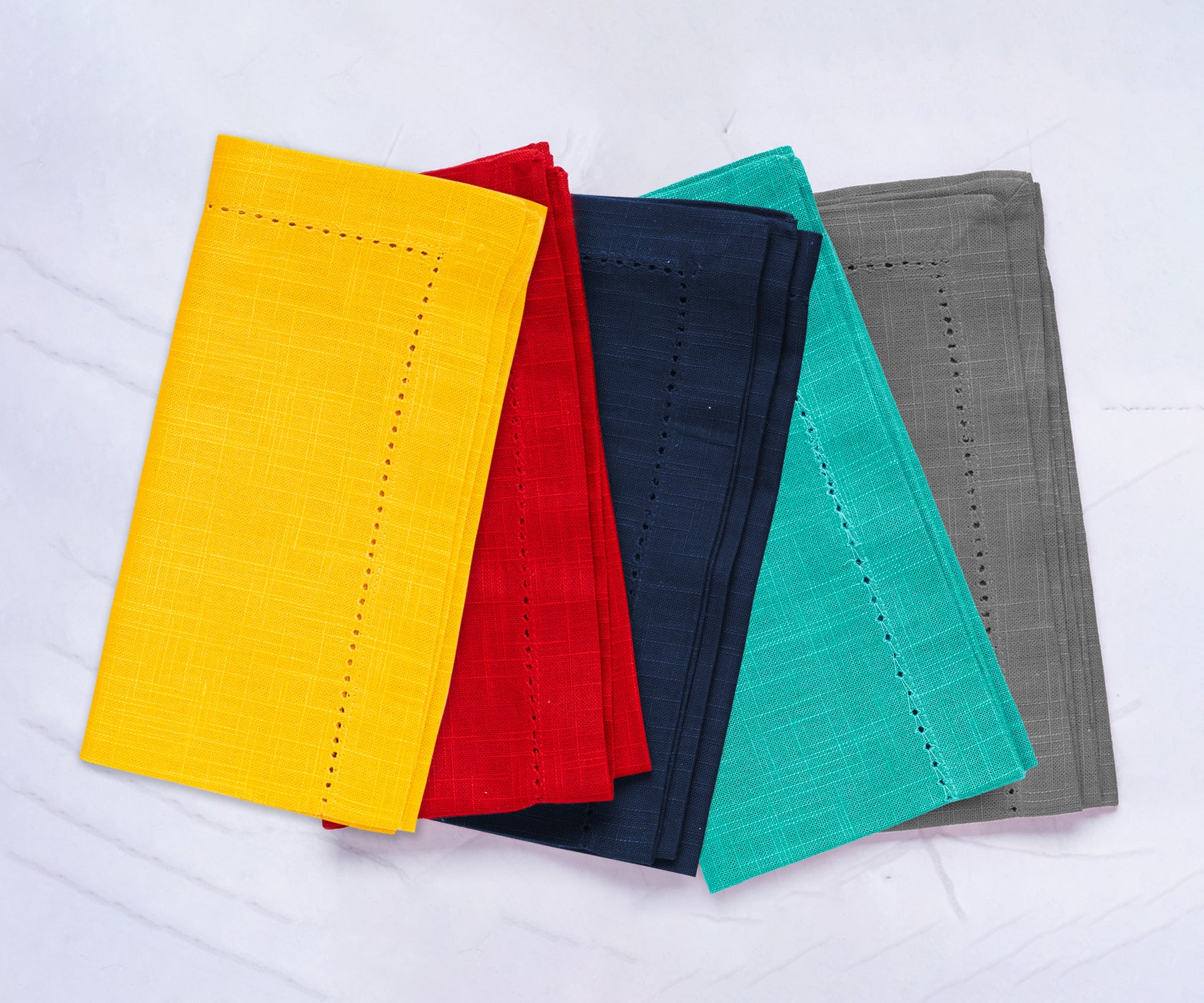
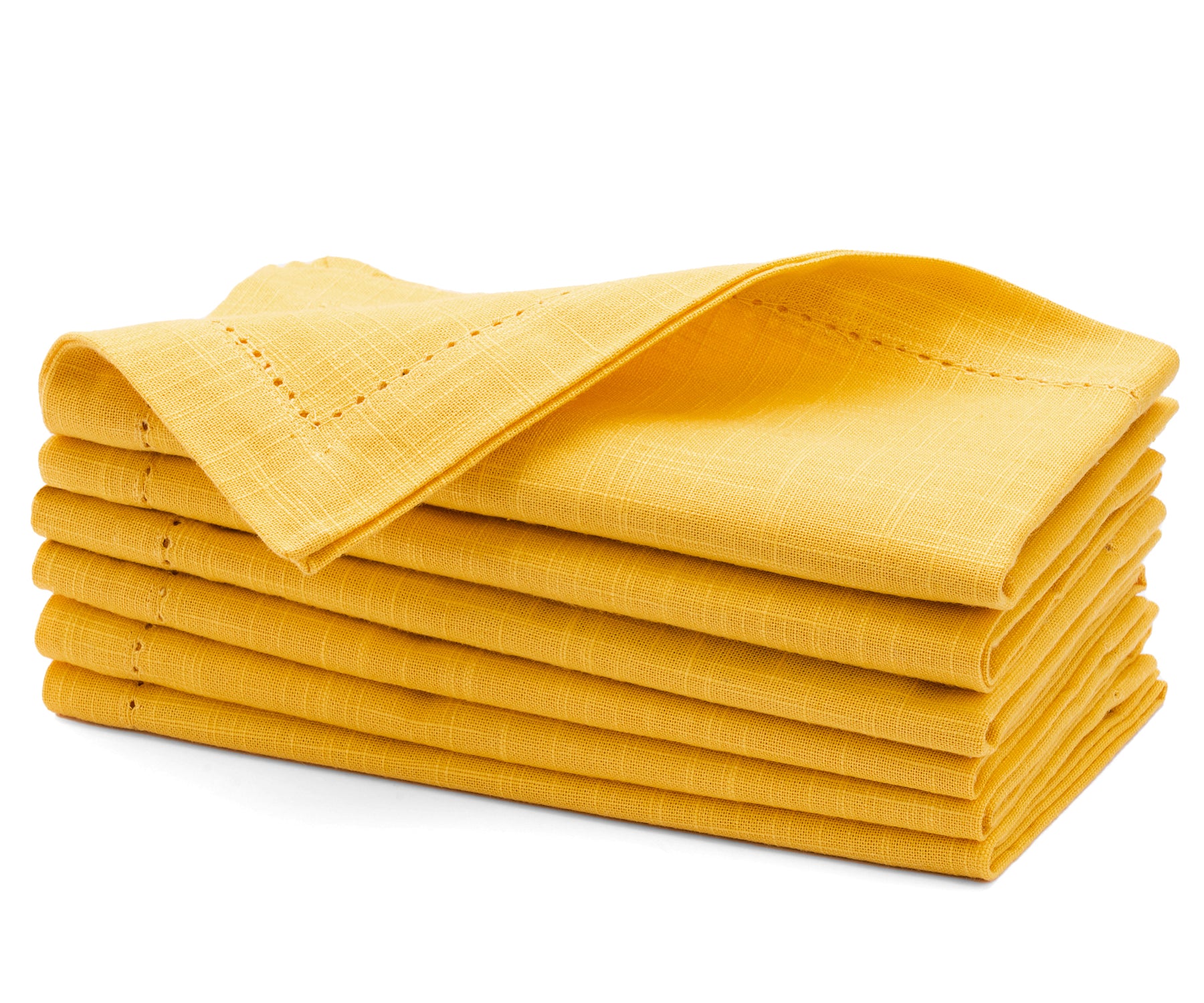
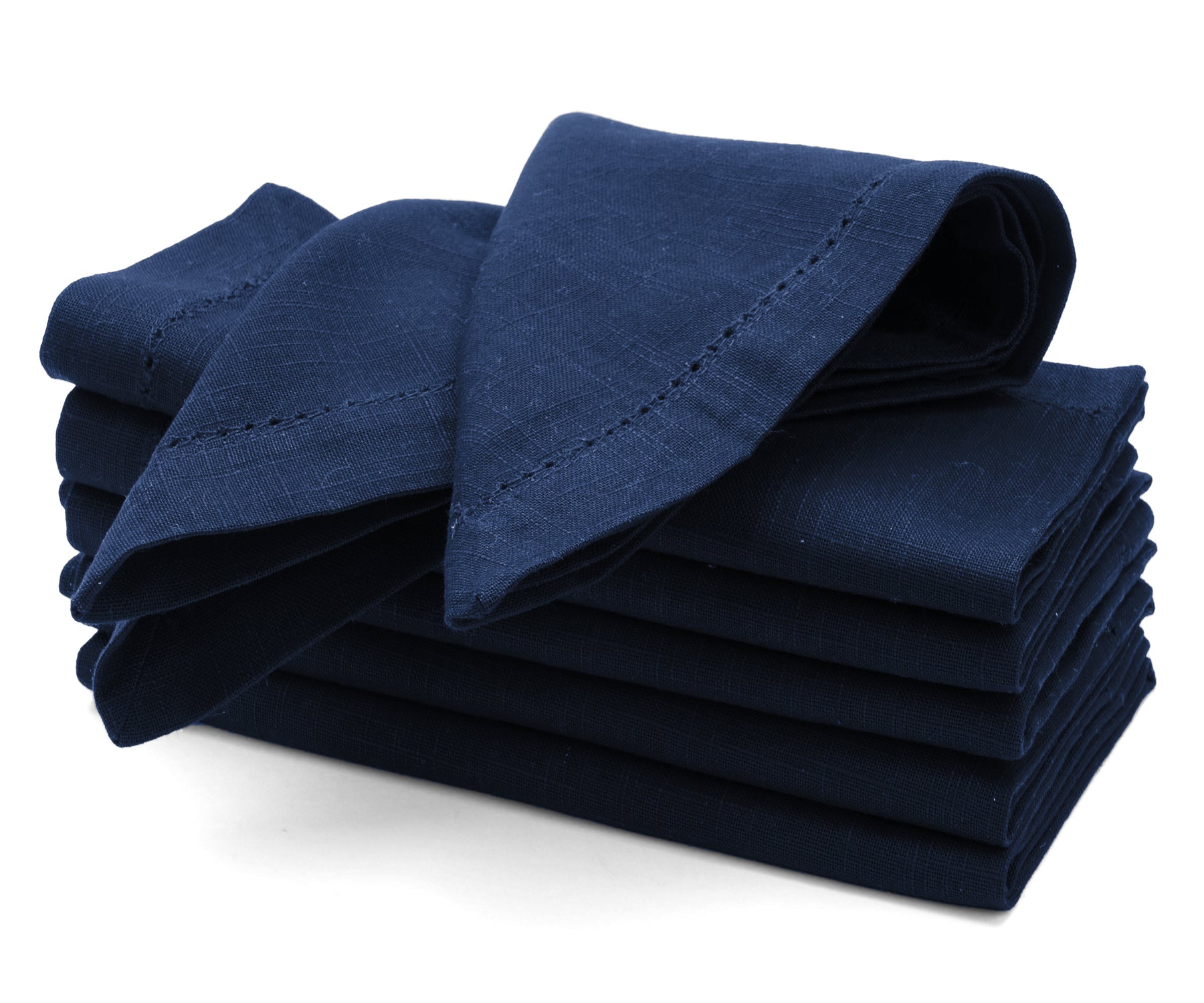
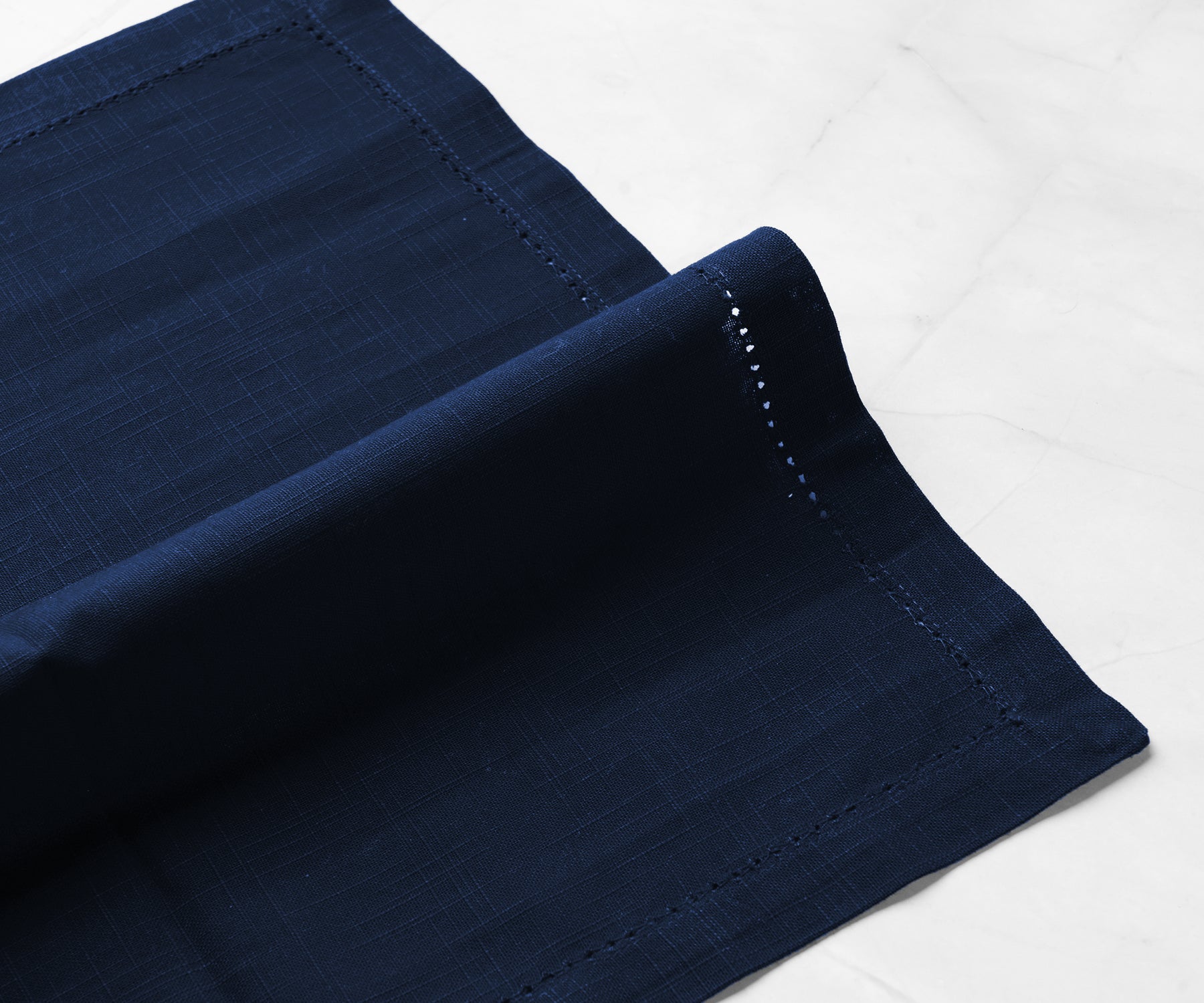
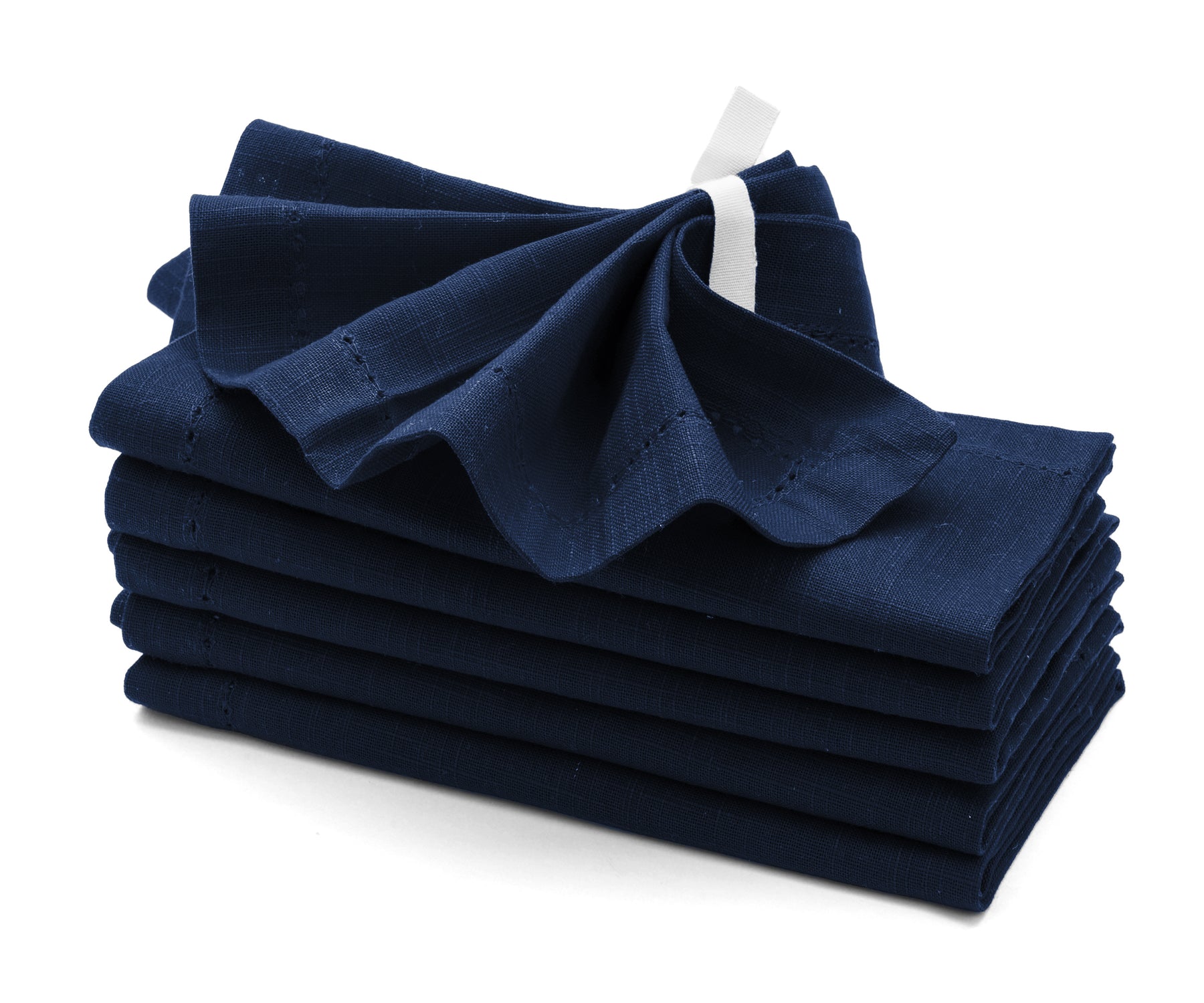
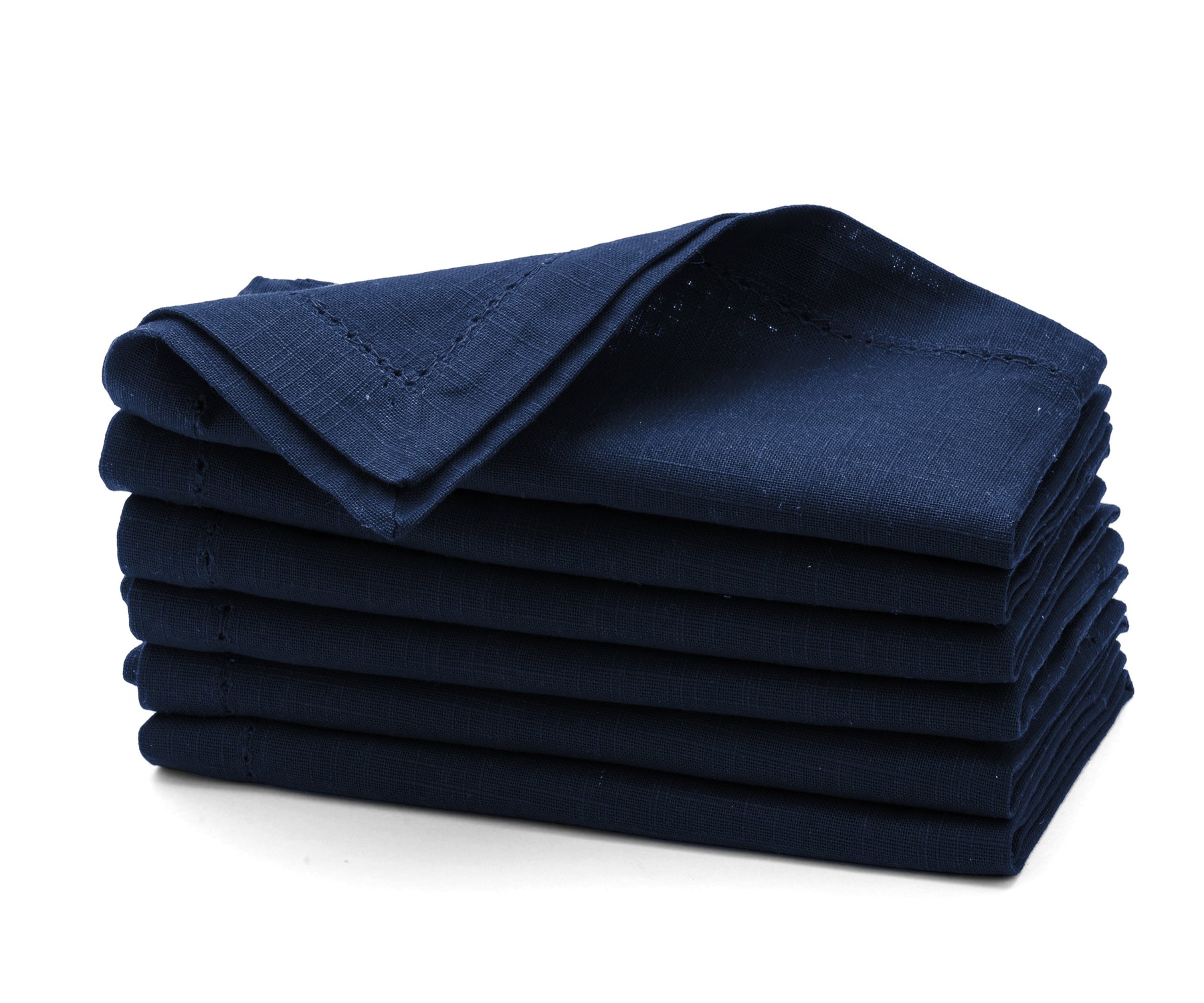
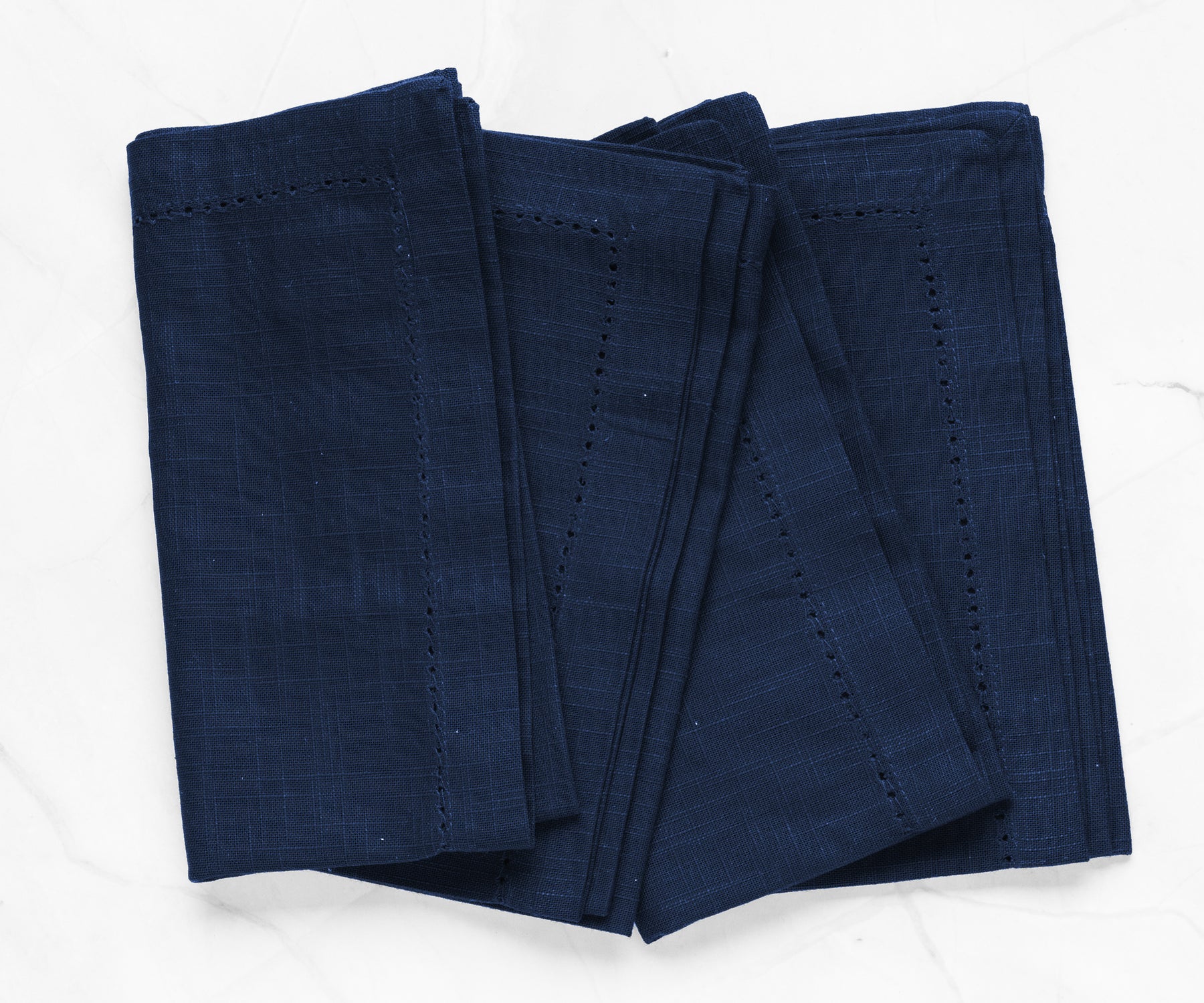
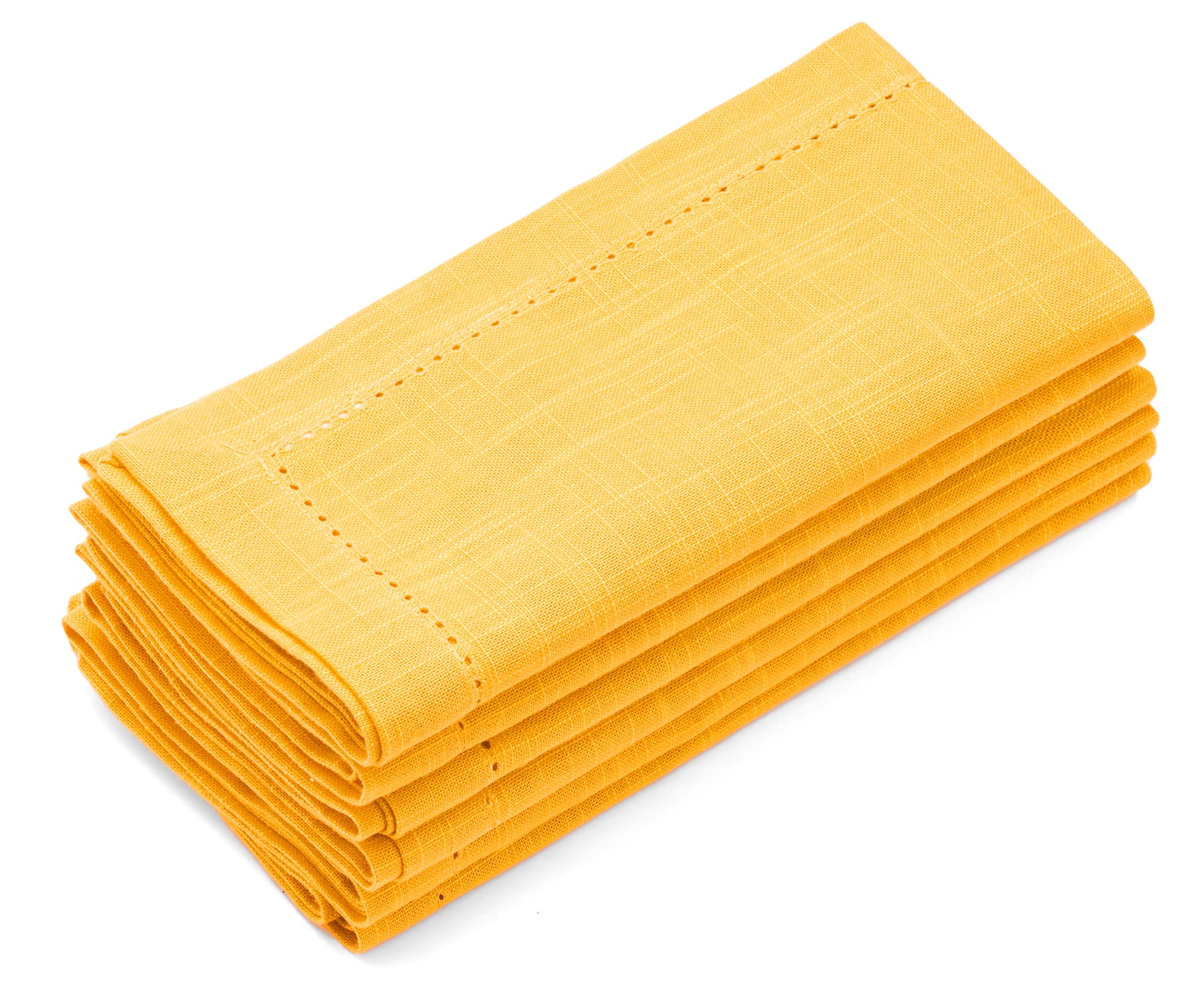
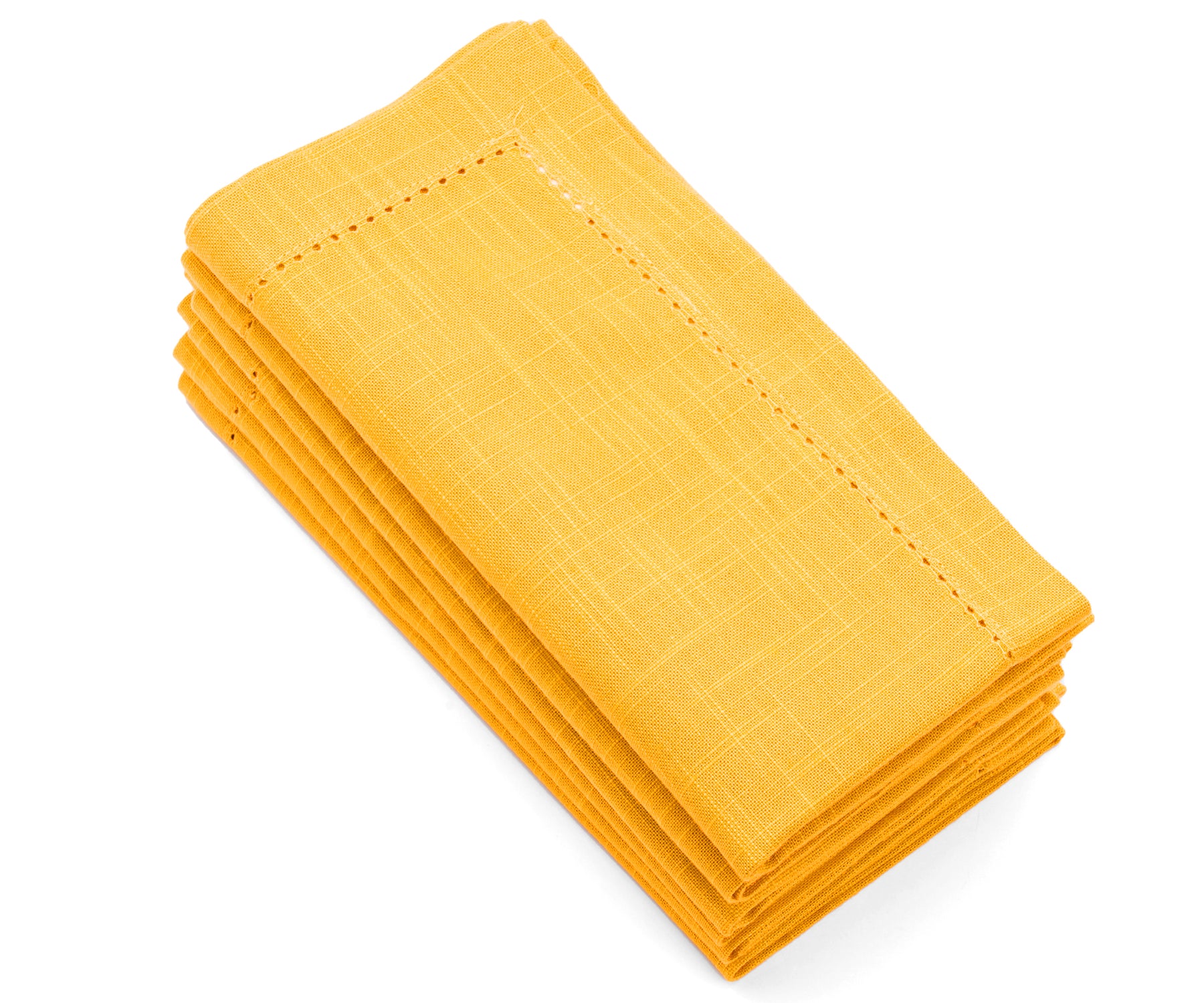
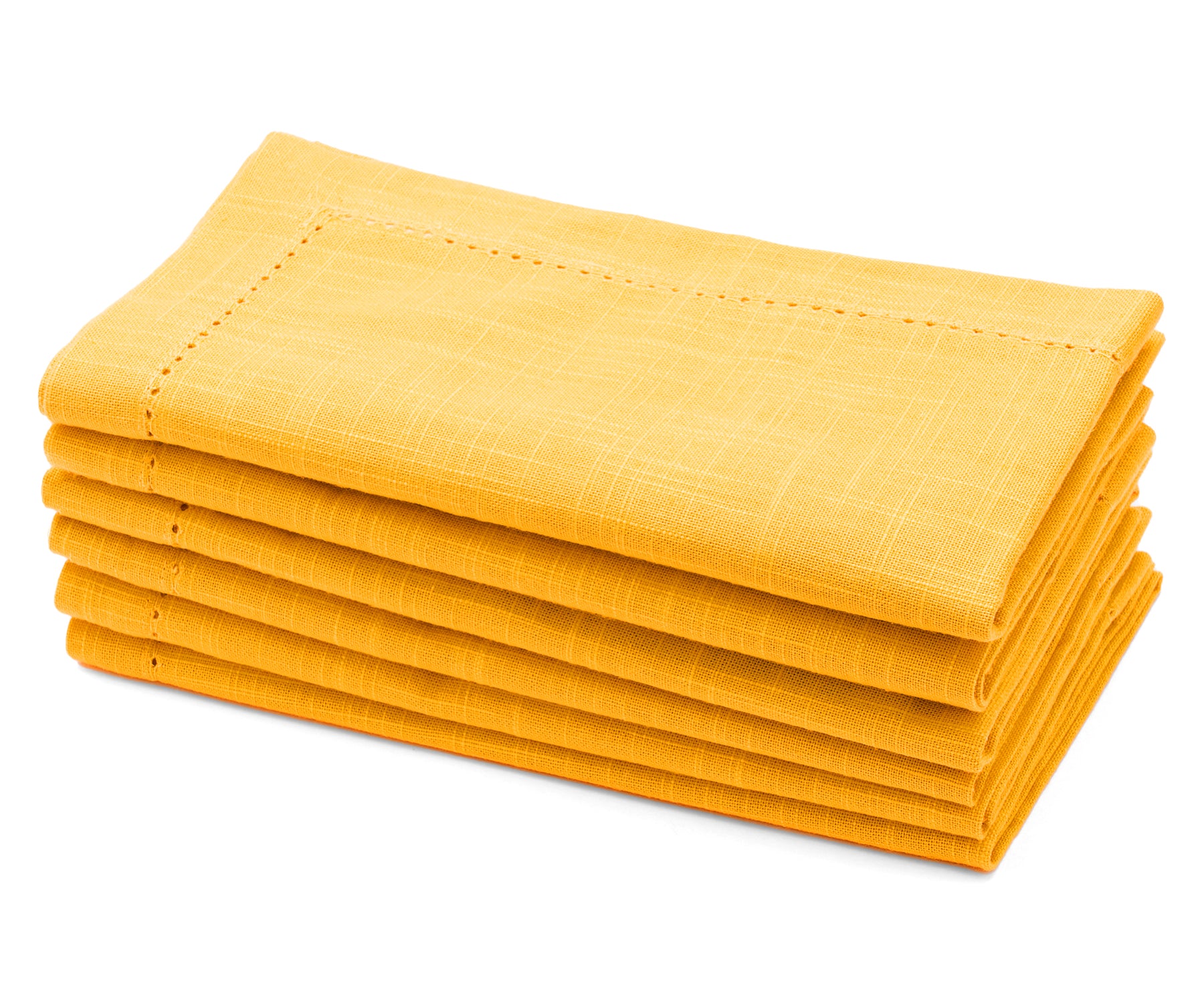
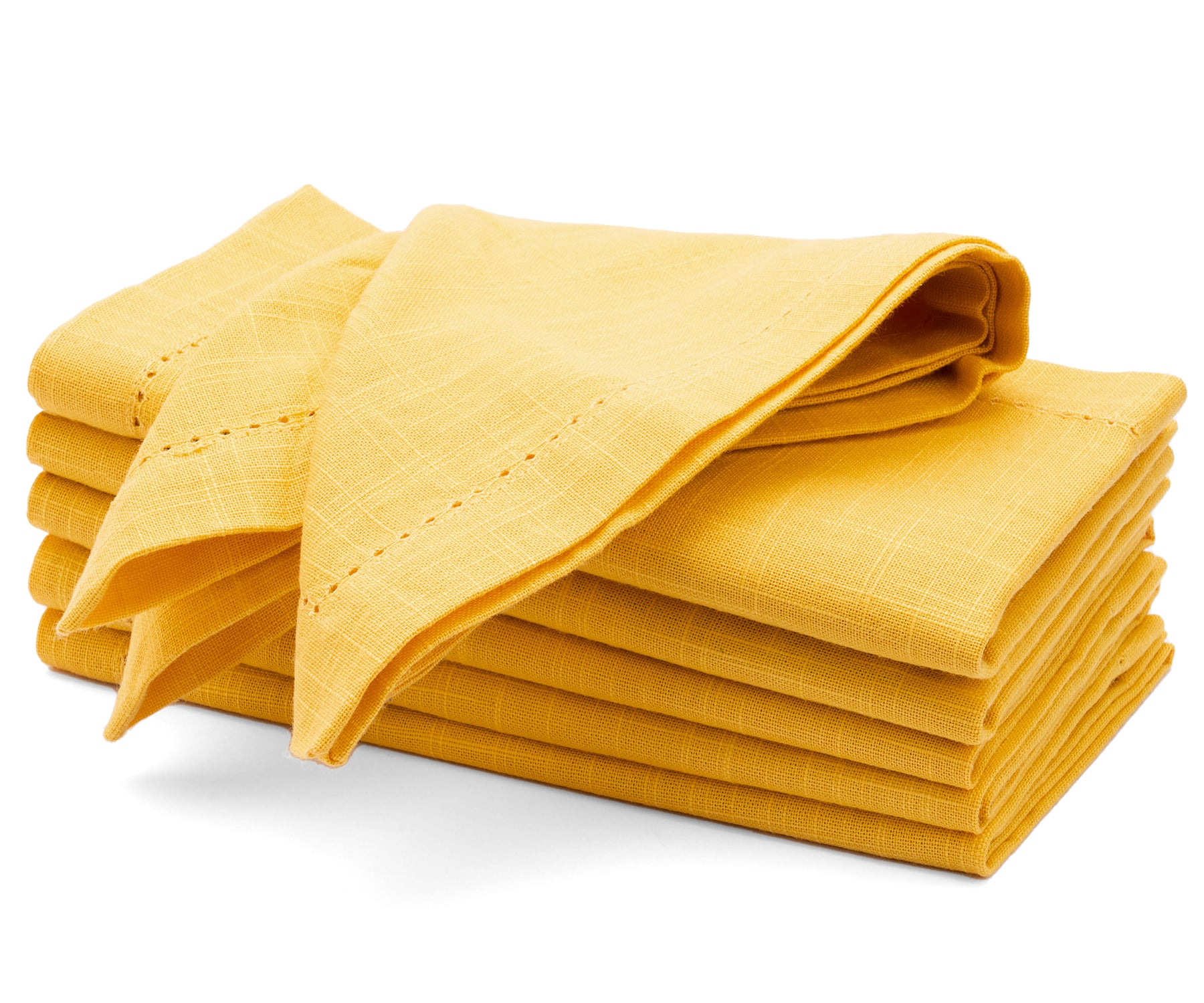
Navy is a deep, cool version of blue. Its complement sits in the warm orange-amber range. A navy tablecloth with warm gold or amber napkins creates a combination that feels rich, formal, and deeply satisfying, each color grounding and enhancing the other. This is one of the most reliable combinations in elegant table styling.
Sage green and dusty rose/blush
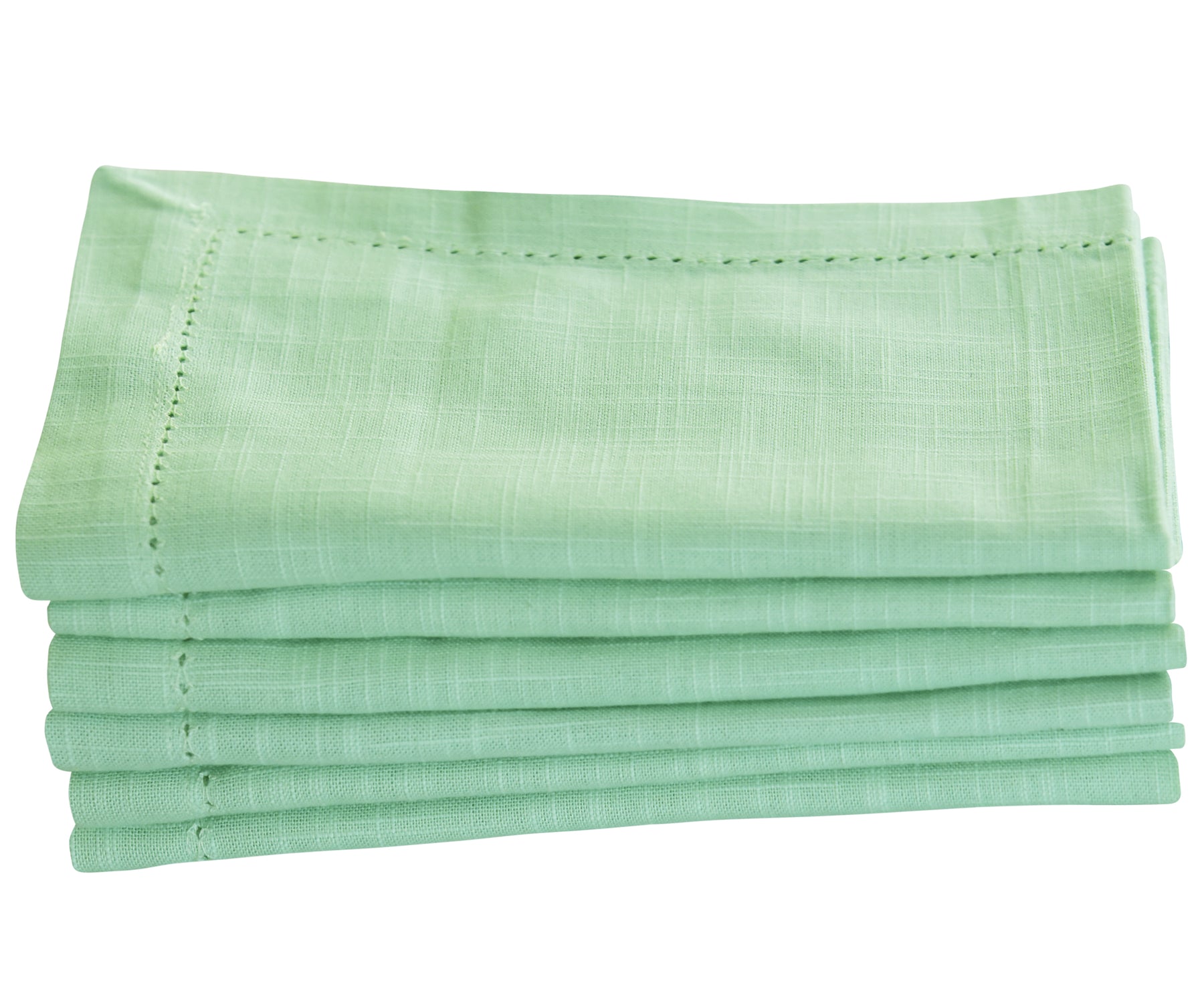
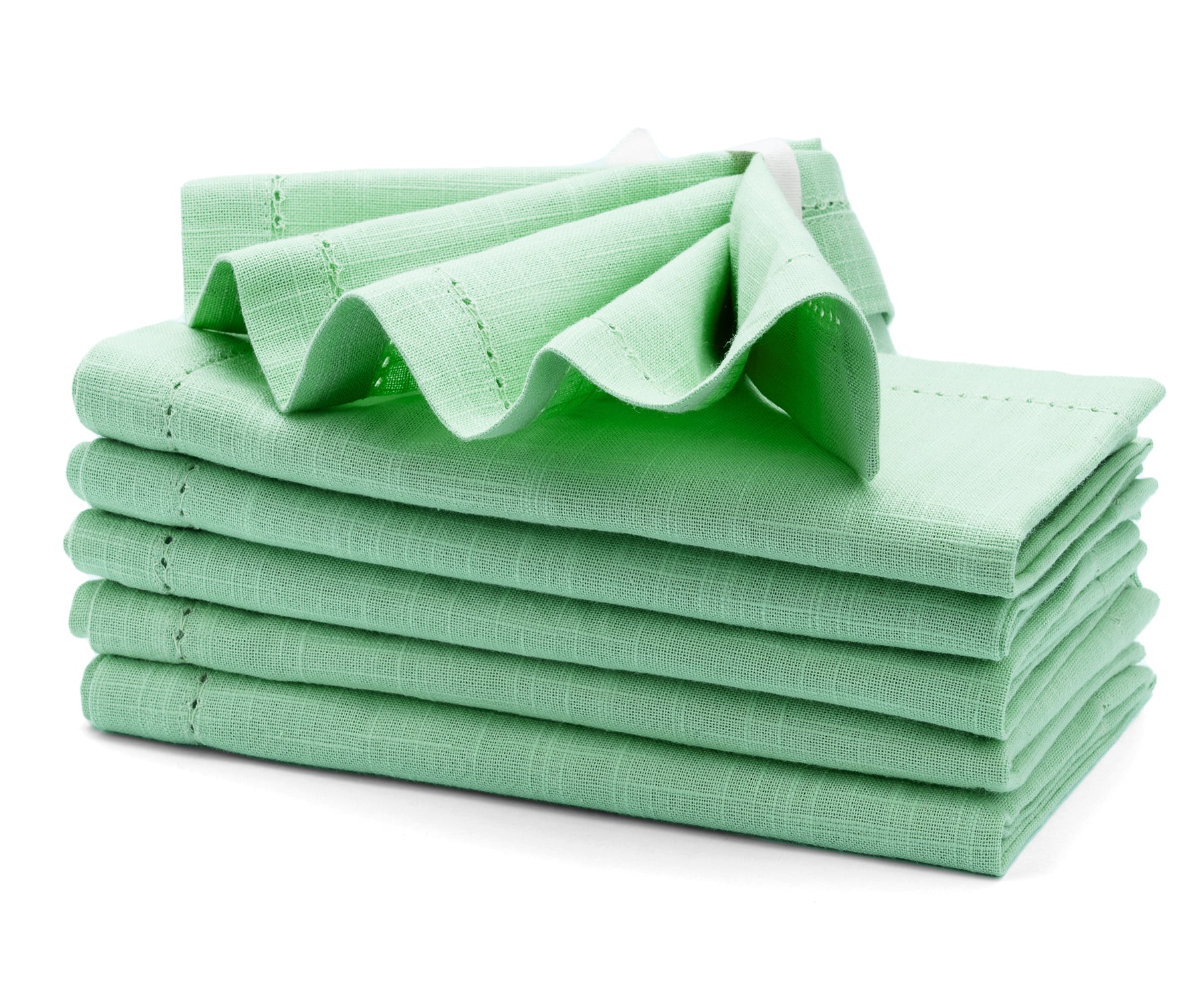
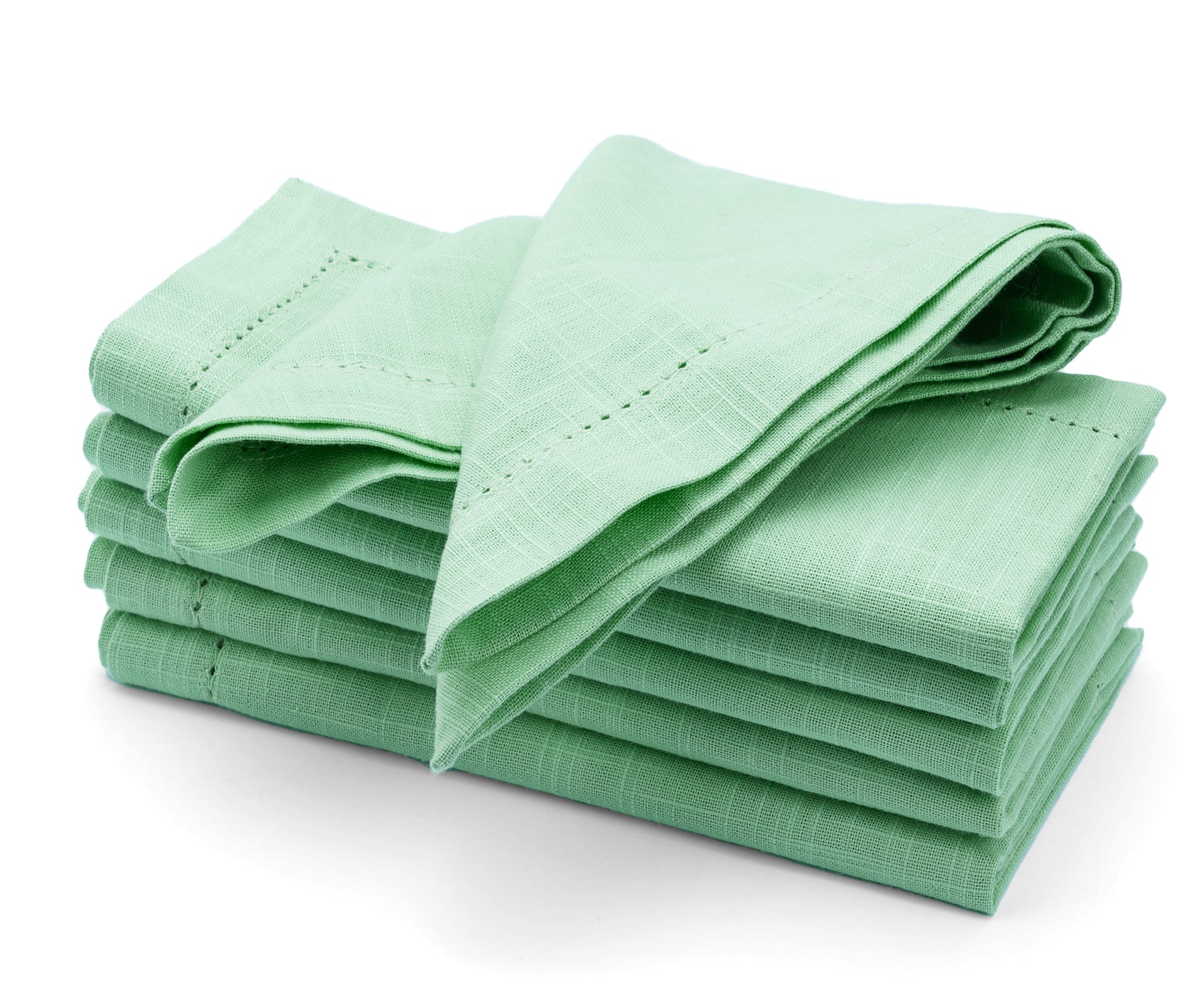
Sage is a muted, grey-toned green. Its complement falls in the red-pink range, which, in its softer, more wearable forms, translates as dusty rose or blush. Sage and blush together is one of the most popular combinations in contemporary table and interior styling. It feels organic, romantic, and effortlessly balanced.

Terracotta and dusty blue / slate
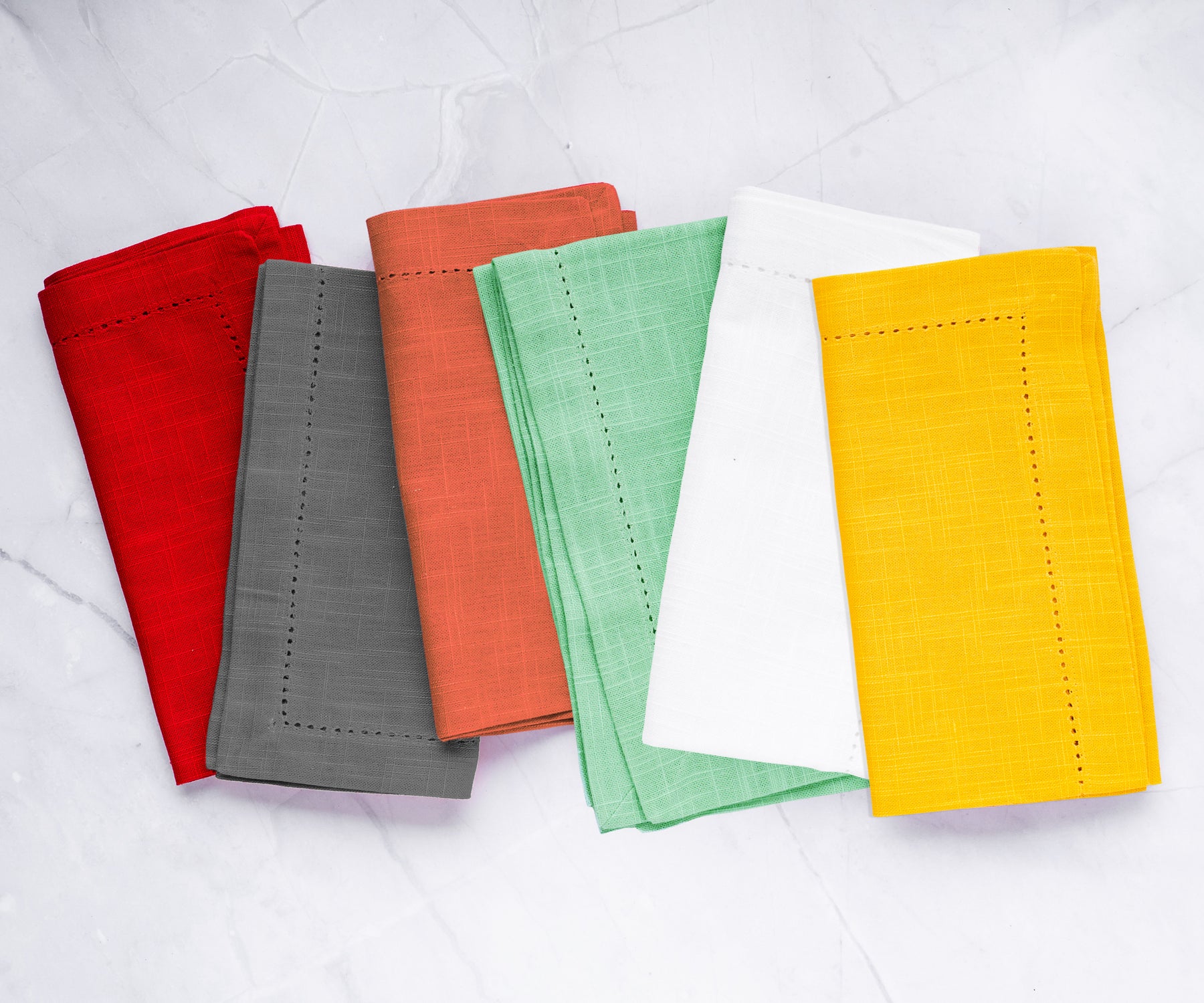
Terracotta sits in the orange-red family. Its complementary territory is blue and blue-green. Terracotta paired with a slate blue or dusty teal creates a warm, earthy combination that feels both grounded and sophisticated, particularly beautiful for outdoor and autumn dining.
Burgundy and olive green.
Burgundy is a deep red-purple. Olive green sits in the yellow-green range, which makes it a soft complementary partner for burgundy tones. This combination is warm, harvest-season in feel, and works beautifully for autumn and winter table settings.
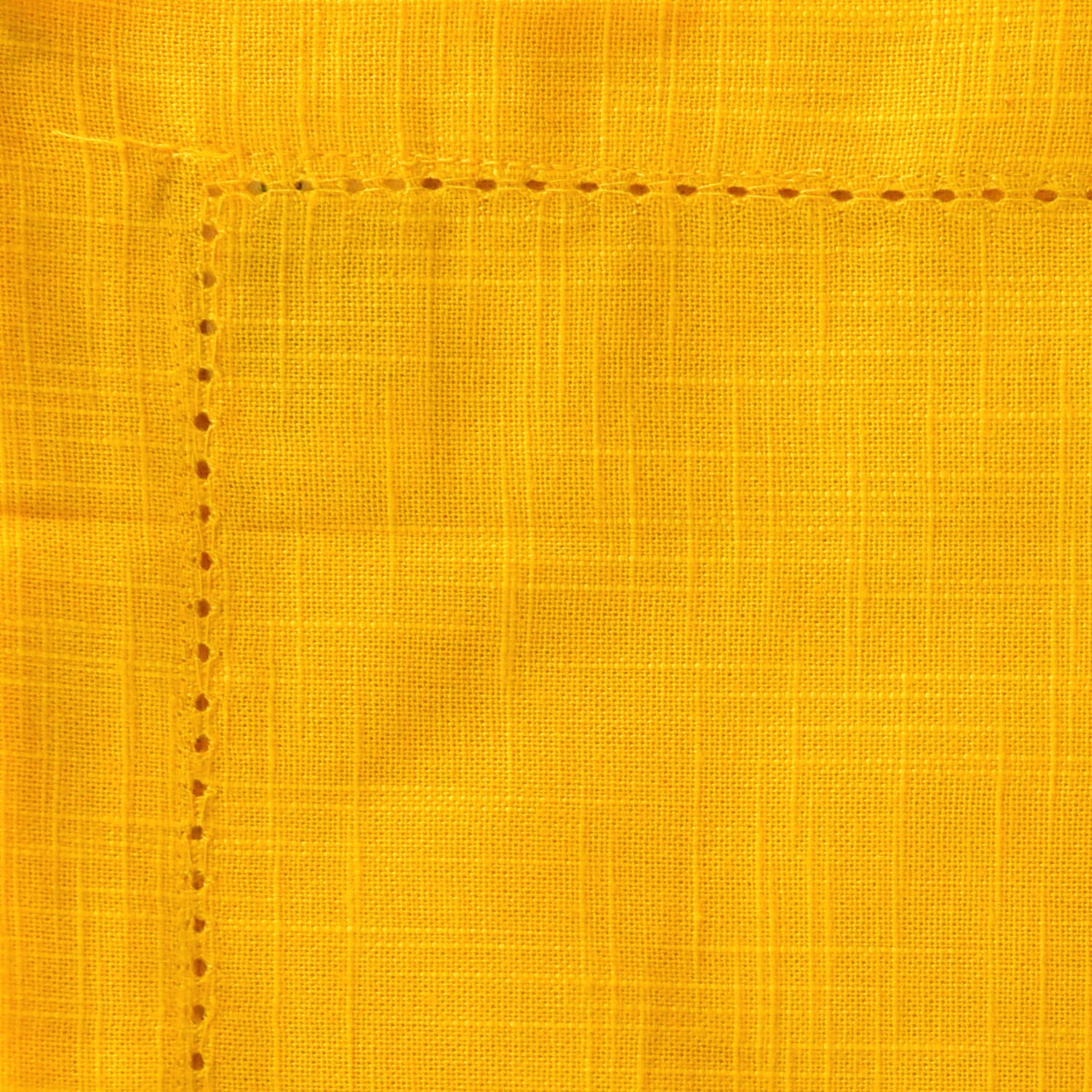
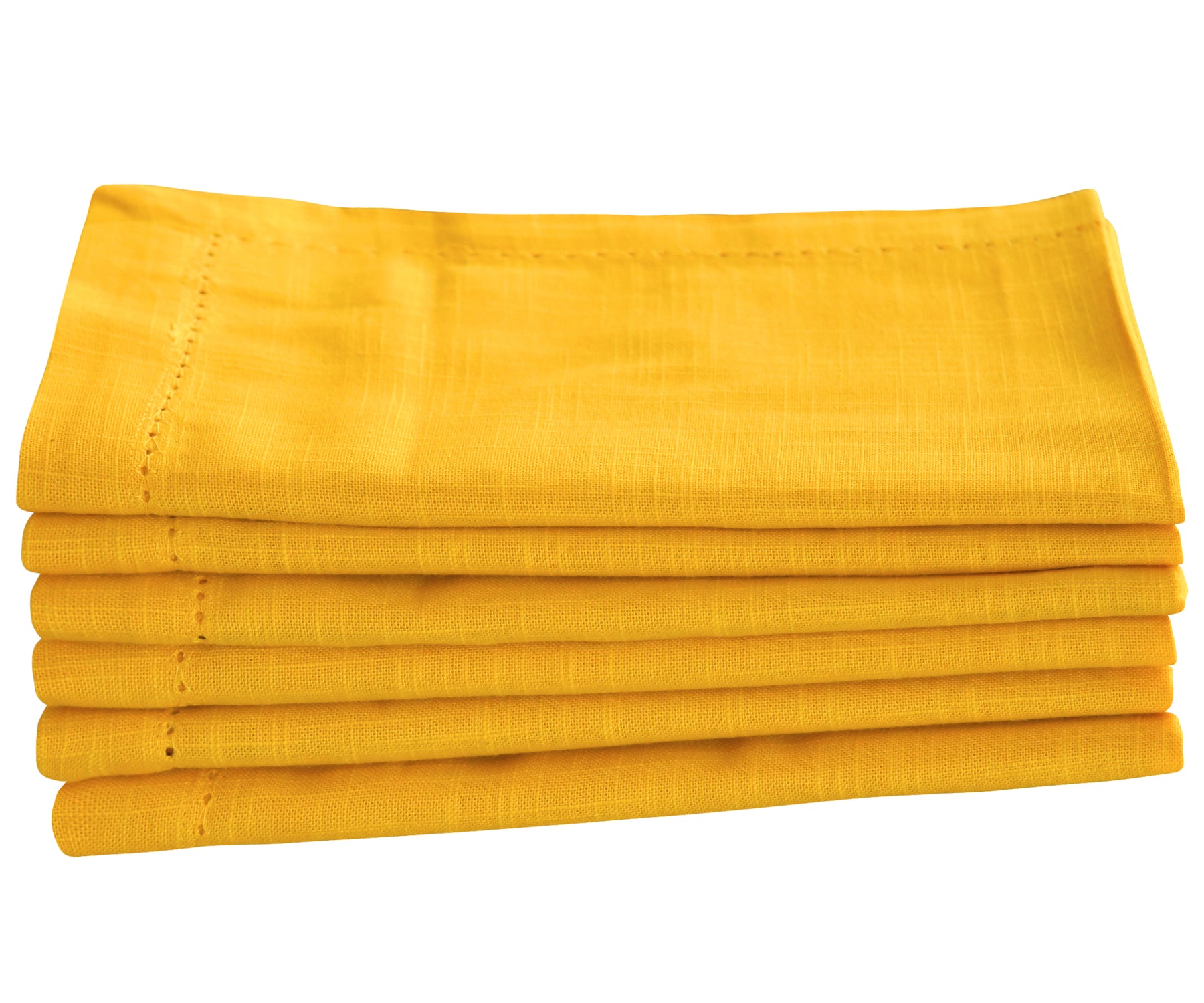
Mustard yellow and deep purple/plum
Mustard yellow is a warm, ochre-toned yellow. Its complement is purple and plum. This is a bolder combination used with restraint (mustard runner, plum napkins on a neutral linen cloth), it is striking and memorable.
Color harmony and other color relationships are worth knowing
Complementary colors are just one of several color harmony types. Understanding the others helps you choose when to use complementary contrast and when a different relationship better serves the occasion.

Analogous colors
Analogous colors are any three colors that sit directly adjacent to each other on the color wheel, for example, yellow, yellow-green, and green; or red, red-orange, and orange. Analogous combinations feel harmonious and natural because they share underlying hue characteristics. They do not contrast; they flow.
At the table, analogous palettes feel soft, cohesive, and restful. A table set with sage green, olive, and warm ivory uses an analogous palette. There is no visual tension; everything belongs together. This works beautifully for relaxed, everyday dining and for tables where the food itself is the visual centrepiece.
Monochromatic colors
A monochromatic palette uses different tints, shades, and tones of a single color. A table set in varying depths of pale sky blue placemats, mid-tone dusty blue napkins, and a deep navy tablecloth is monochromatic. This approach creates depth and sophistication without introducing visual tension. It is particularly effective in minimal, modern spaces.
Triadic colors
A triadic palette uses three colors equally spaced around the color wheel, for example, red, yellow, and blue; or orange, green, and purple. Triadic combinations are inherently bold and energetic. For table styling, they work best when one color dominates, and the other two appear as accents.
Split-complementary colors
A split-complementary scheme uses a base color and the two colors adjacent to its direct complement rather than the complement itself. This creates high contrast without the full tension of a directly complementary pair. For example, navy blue paired with warm peach and soft yellow-orange rather than pure amber. It is a slightly more forgiving version of complementary contrast, and often easier to work with in practice.
How to use complementary colors at your table: practical applications
Understanding the theory is one thing. Putting it to work at an actual table setting is where the real value lies.
Start with your anchor color
Choose the dominant color, usually the tablecloth or the most visually prominent element on the table. This is your anchor. Everything else builds around it.
A white or neutral tablecloth is technically a non-color anchor; it gives you complete freedom to introduce complementary pairs through your napkins, runner, and centrepiece without the tablecloth itself competing.
A colored tablecloth is a committed anchor. If you choose a deep sage green tablecloth, your complementary accent territory is in the dusty rose and blush range. Use that direction for your napkins and add natural accents, dried flowers in warm pink tones, candles in blush or warm white to reinforce the complementary relationship without overloading it.
Use complementary colors with different intensities
One of the most common mistakes with complementary colors is using both colors at full saturation. Pure red with pure green is Christmas bold, specific, and not very versatile. But deep burgundy with sage green is sophisticated, seasonal, and entirely elegant. The complementary relationship is the same; the intensity is modulated.
In table styling, one color should always lead, and the other should support. The dominant color covers the larger surface area of the tablecloth and the majority of the placemats. The complementary accent appears in the napkins, the runner, the centrepiece, or the small decorative details. A 70/30 split between dominant and accent is a reliable starting point.
Bring in a neutral to bridge the contrast
Complementary colors at full contrast can sometimes feel abrupt, particularly if both colors are deep or saturated. Introducing a neutral white, ivory, natural linen, warm beige, or light grey between or around the complementary pair softens the relationship and gives the eye a resting point.
A table set with a navy tablecloth and amber napkins is bold and striking. The same table with a natural linen runner layered over the navy tablecloth, and amber napkins placed on white placemats, creates more visual breathing room while keeping the complementary relationship intact.
Find Out: How to Take Care of Bed Sheets: A Homeowner's Guide
Complementary color combinations that work beautifully for table linens
|
Dominant (tablecloth/runner) |
Complementary accent (napkins/details) |
Occasion |
|
Navy blue |
Warm amber/gold |
Formal dinner, autumn, winter |
|
Sage green |
Dusty rose/blush |
Spring, garden party, wedding |
|
Terracotta |
Slate blue/dusty teal |
Outdoor dining, autumn, every day |
|
Burgundy |
Olive green |
Autumn, Thanksgiving, harvest |
|
Natural linen |
Deep teal or soft plum |
Year-round, every day elegant |
|
White |
Any complementary pair as an accent |
All occasions |
|
Mustard yellow |
Deep plum/aubergine |
Bold statement, autumn, winter |
|
Forest green |
Cranberry / warm red |
Holiday, winter, Christmas |
Complementary colors, room by room, beyond the table
The same principles that govern table linen color choices apply throughout the home. A brief guide to applying complementary color theory in other spaces:
Living room:
A sage green sofa with dusty rose cushions is a classic complementary pairing in the modern interior palette. Navy walls with warm amber or gold accents, picture frames, lamp shades, and throw cushions create a rich, formal, complementary scheme. The 70/30 rule applies here, too; let one color dominate the large surfaces and bring the complement in through smaller accents.

Bedroom:
Complementary contrasts tend to feel too stimulating for bedrooms. Analogous or monochromatic palettes are usually more restful for sleeping spaces. If you want to introduce a complementary relationship in a bedroom, use muted, low-saturation versions of the pair. A dusty blue wall with a warm peach throw feels gentle rather than energetic.
Dining room:
The dining room is the natural home for complementary color schemes. The colors on the walls, in the curtains, and in the rug all interact with the table linens at every meal. A terracotta dining room wall with a dusty blue linen tablecloth creates a complementary relationship between the architecture and table that makes the table feel anchored and considered. Deep green walls with a burgundy and ivory table setting create a rich, formal dining room atmosphere.
Kitchen:
A teal or sage kitchen with warm copper or terracotta accessories is a complementary scheme that has become one of the most popular kitchen color stories of recent years. The organic warmth of copper against cool green-blue walls demonstrates complementary contrast at its most liveable.
Final thoughts
Color theory can sound academic, with wheels and degrees and categories and schemes. But the reason it has been studied, used, and refined by artists, designers, and makers for over three hundred years is simple: it works.
Complementary colors work because they are not arbitrary. They are opposites in a precise, mathematical sense, and that opposition, expressed through fabric and texture and natural light at a dining table, creates something genuinely beautiful.
You do not need to memorize the color wheel or become a designer to use this. You need one principle: find your anchor color, look across the wheel for its complement, and introduce that complement with restraint. A navy tablecloth and amber napkins. A sage runner and blush flowers. A terracotta cloth and slate blue linen placemats. The logic is simple. The results speak for themselves.
At All Cotton and Linen, our table linen collections are available in a wide range of colors designed to work together, from classic neutrals and naturals to seasonal tones and rich, saturated hues that pair beautifully across complementary relationships.
Shop our tablecloth, napkin, and runner collections — and start building your complementary color palette →